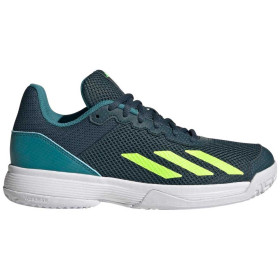
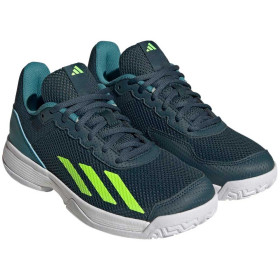
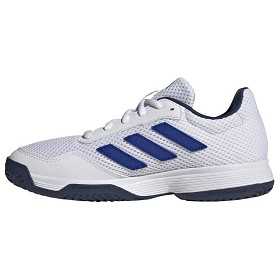
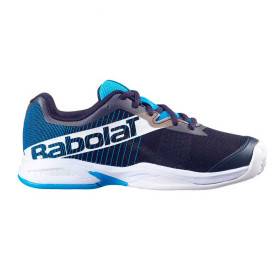
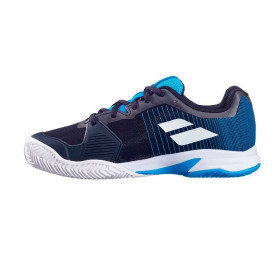
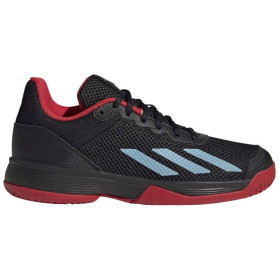
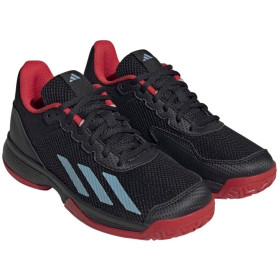
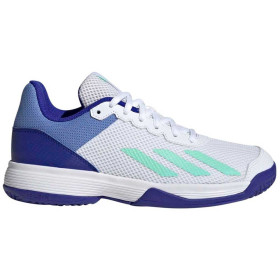
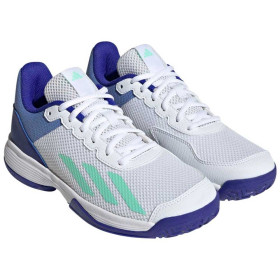
Padel shoes for kids

Find the best padel shoes for kids at Stockpadel. Designed to offer comfort, stability, and durability, perfect to accompany the little ones in their first matches and training sessions. Get them ready to win on the court with the best footwear for playing padel!

Showing 1-6 of 6 item(s)

Buy padel shoes for kids online

En Stockpadel comprendemos que los más pequeños necesitan un calzado técnico y adaptado para practicar pádel con seguridad y confianza. Por eso, ofrecemos una selección exclusiva de zapatillas de pádel para niños que combinan comodidad, estabilidad y rendimiento en cada movimiento dentro de la pista.

Nuestros modelos están especialmente diseñados para acompañar el desarrollo físico infantil, con suelas que aseguran una óptima tracción, materiales duraderos que resisten el desgaste y diseños atractivos que motivan a los niños a seguir aprendiendo y disfrutando del pádel desde sus primeros partidos.

Why choose kids' padel shoes?

Conventional sports shoes are not designed for the specific movements of padel, such as lateral movements, quick turns, and changes of pace. Choosing kids' padel-specific shoes makes a difference in comfort, safety, and performance.

  • Optimal protection for developing joints and muscles
  • Non-slip soles, adapted for sand or indoor courts
  • High wear resistance, even with intensive use
  • Lightweight and breathable design, ideal for keeping feet cool
  • Special lasts adapted to children's feet in all sizes

Having the right footwear not only reduces the risk of injuries but also improves performance and boosts confidence in every match for the little ones.

Best brands of padel shoes for kids

Key features of padel shoes for kids

Cushioning and Support

During growth stages, footwear plays a fundamental role in protecting joints and developing a healthy gait. For this reason, children’s padel shoes include midsoles made of EVA foam, polyurethane, or gel, which effectively absorb the repetitive impacts typical of the game. This reduces pressure on knees, ankles, and lower back, minimizing the risk of overload injuries.

Safe and Durable Outsoles

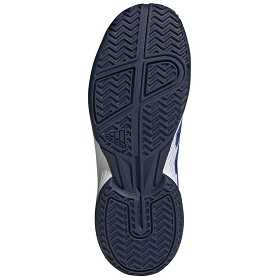
Outsoles are a key component in performance and safety. In children’s padel, mainly herringbone (clay) outsoles are used, offering excellent grip on sand-based courts, or mixed outsoles (omni + herringbone), which combine multidirectional traction with good sliding capacity. These outsoles are made from high-density rubber that resists abrasion even with frequent use during training.

Breathable Materials

Proper foot ventilation is essential, especially in children’s footwear, since kids tend to sweat more during physical activity. Therefore, children’s padel shoes are made with technical breathable mesh combined with synthetic or thermosealed reinforcements that improve durability without compromising lightness. This construction helps keep feet dry, preventing moisture buildup that can cause blisters, chafing, or unpleasant odors.

Adapted Closures

The closure system is also adapted to children’s needs. There are models with classic laces for those who can already tie their shoes, but also versions with Velcro or mixed systems, ideal for younger kids or for those who seek quicker and more autonomous shoe-wearing. These closures ensure a firm and secure fit that prevents the foot from sliding inside the shoe, which could cause instability or discomfort during play.

Ergonomic Design for Children’s Feet

An important difference compared to adult footwear is the last adapted to children’s feet. Children’s padel shoes are designed considering the proportions and biomechanical needs of their developmental stage. This translates into a more stable base, a design that respects the natural shape of the foot, and greater flexibility in the forefoot area to facilitate push-off with every step.

Frequently Asked Questions about Kids' Padel Shoes

Why is it important for kids to wear specific padel shoes?

Padel shoes are designed for the specific movements of the game, such as lateral movements, sudden stops, and turns. For children, this type of footwear is even more important, as it protects developing joints and reduces the risk of common injuries like sprains or muscle strains.

From what age should padel shoes be used?

From the first training sessions on the court. Although many kids initially play with generic sports shoes, it is recommended to use specific padel footwear from around 5-6 years old if the child trains regularly or attends classes. The earlier they start using adapted footwear, the better their technical and physical development in the sport will be.

What type of sole is best for kids?

It depends on the type of court. The herringbone sole is the safest for sand or artificial grass courts, as it offers good grip and prevents slipping. For hard or indoor courts, omni or mixed soles may be more suitable. It is always important to check with the club where they train to choose correctly.

What sizes of kids' padel shoes are available?

Most brands offer models from size 28 up to 39 or 40, covering roughly ages 5 to 13-14. Some junior models even overlap with adult sizes, allowing a natural transition without losing technical performance.

What materials are most recommended?

The best kids' models combine breathable fabrics with reinforcements in key areas (toe, sides, and heel). The technical mesh allows the foot to breathe, while the reinforcements protect during quick movements and when dragging the foot, which is common in children learning the sport.

Which closure system is better: velcro or laces?

It depends on the age. For younger children (5-8 years), the velcro or mixed closure (elastic laces + velcro) is more comfortable and easier to adjust. From 9-10 years old, many models feature classic laces to provide a firmer fit, especially for intensive training or competitions.

When should kids' padel shoes be replaced?

It is recommended to replace them every 6 to 12 months, depending on usage. If the child plays more than twice a week, they will likely need a new pair before a year passes. It’s also time to replace them if there is sole wear, loss of cushioning, or damage to the upper part.